Investing in property is a viable way to build future wealth, however, many people struggle to know what will make the best investment, and as such, where to start. Unfortunately, there’s no perfect ‘formula’ to property investing and the experts have varying opinions.
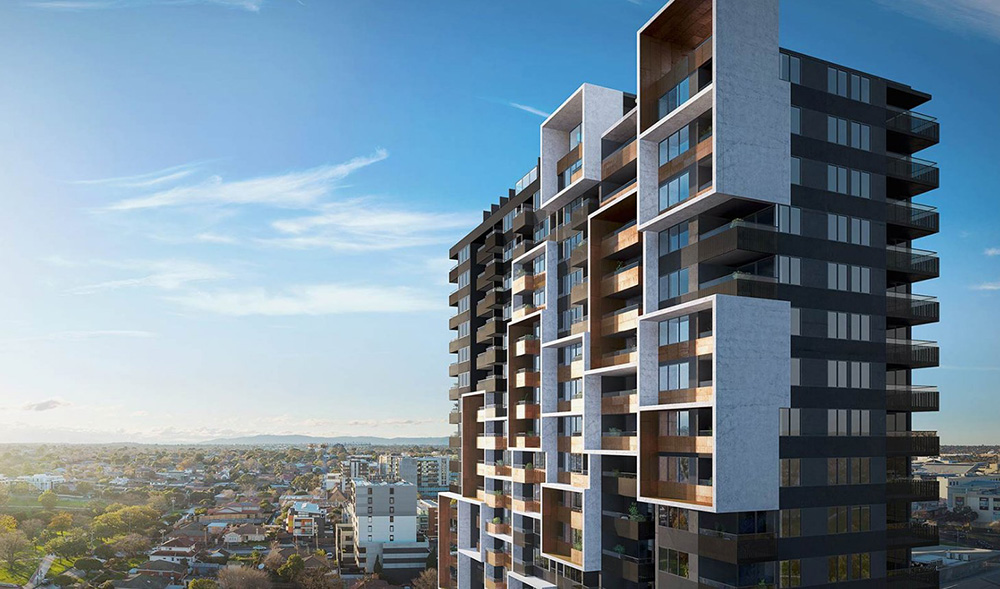
One of the first decisions you will need to make is whether you want to invest in a house or something smaller such as an apartment. Considering the following points in conjunction with your own circumstances will provide food for thought, and help get you started.
Starting your portfolio sooner
In most cases, buying a stand-alone house will come at a higher price so starting your investment portfolio off with an apartment might be a more affordable option. You’ll need less deposit or equity in your own home, and as your asset grows in value you can use the equity to lock in your next investment if you plan on having multiple investment properties.
Ongoing costs
Any property you own is going to have ongoing costs, and you need to factor these when considering your purchase. No matter what the property, it comes with the risk of repairs, so make sure you have funds set aside for this, as you’re responsible; unless your tenant has acted in a manner that has caused the issue – and this can be hard to prove.
Both houses and apartments are subject to yearly council rates; these will vary based on the value of your investment and the municipality your property is in. Some investors fall into the trap of believing that buying in an area further from the CBD will have lower rates, however if you’re buying in a growth corridor, it’s likely that infrastructure like schools, transport, buildings and spaces that provide services, activities and opportunities to the community will need to be constructed and the rates you pay are likely to reflect this.
If you’re buying an apartment, you’ll also be subject to ongoing Owners Corporation fees. These cover maintenance to the complex, and the upkeep of any common areas and facilities such as swimming pools and gyms. Fees vary greatly amongst complexes, so make sure you do your due diligence to avoid nasty surprises.
The value’s in the land
Many experts will tell you that a house is a better investment because it’s the value of the land that appreciates. There is some truth to this, but the extent will depend on the location. In recent times, the suburban landscape has changed, with urban style apartments being built further from the CBD. Many councils have redefined building zones to allow for higher density housing styles, and as such, the demand for land on main roads, or close to shopping and transport hubs have increased. This has seen many owners of older homes in these pockets achieve sale prices higher than they ever dreamed.
Conduct thorough research to learn what local councils have planned; you may be able to buy a house on a decent parcel of land that will have greater future value based on impending projections for the area.
Putting all your eggs in the one basket
Long-term investors and financial planners will tell you that diversity within your portfolio is a clever strategy to build wealth, and also to spread risk. Varying the type of property you invest in between houses and apartments is a smart approach, as is varying the location of your properties if you intend on owning multiple dwellings.
Future proofing
Recent reports suggest that the number of lone-person households will amplify significantly in the next decade or two; in 2001 there were 1.8 million whereas there are predicted to be between 2.8 – 3.7 million by 2026. If these statistics come to fruition, it’s likely apartments will be in greater demand than ever; a 5-bedroom family home isn’t going to hold a lot of appeal for a person living alone. That being said, there’s always going to be a demand for larger houses too and with the continued growth of our nation’s rich cultural palette, there could be more multigenerational living than ever before.
In the last 6 quarters, Melbourne has shown an equal split in relation to growth; 3 of the quarters taken out by units/apartment, 50% by houses. So, with neither type of property strongly outperforming the other, invest at a level you’re comfortable with, and in the type of property you feel is going to serve your needs best.
Image: https://www.urban.com.au