Are you renovating an investment property? Many investors who live in an investment property while renovating risk missing out on thousands of dollars in property depreciation deductions.
Property depreciation is generally the second biggest tax deduction after interest, though it’s often missed by investors. This is because it’s a non-cash deduction, meaning you don’t have to spend money to be eligible to claim it.
The Australian Taxation Office allows owners of income-producing properties to claim depreciation deductions for the natural wear and tear that occurs to a building and its assets over time. These deductions can be claimed under two categories – capital works deductions and plant and equipment depreciation.
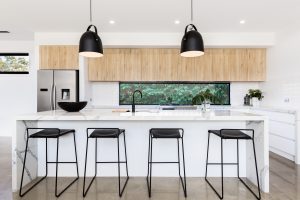
Capital works refers to the building structure and items considered to be permanently fixed to the property such as kitchen cupboards, doors and sinks. While plant and equipment assets are items which are easily removable from the property such as carpet, hot water systems and blinds.
According to legislation introduced in 2017, investors are unable to claim deductions for the decline in value of previously used plant and equipment found in second-hand residential properties. If you live in your rental property while renovating, any newly installed assets will be classed as previously used. Therefore, you’re potentially risking your tax benefits.
Unless there is good reason, investors who are planning on installing new items should make these additions after they move out of the property and it has been listed for rent. This will ensure you’re eligible to claim the maximum depreciation deductions available.
It’s important to note the 2017 legislation does not affect buyers of brand-new property, residential properties considered to be substantially renovated or commercial properties. With this in mind, brand-new property generally holds the most lucrative value for investors from a tax perspective.
Capital works deductions for structural assets such as new walls, kitchen cupboards, toilets and roof tiles are also unaffected by the legislation changes and can still be claimed by owners of
income-producing properties. These deductions typically make up 85-90 per cent of a total depreciation claim.
When removing structural assets during a renovation, there may be remaining depreciation deductions available. A process known as scrapping can often be applied, allowing investors to claim any un-deducted depreciable value in the year the items are removed.
Despite the 2017 rule changes, there are still lucrative tax deductions on offer for most investment properties. During FY 2018-19, BMT Tax Depreciation found residential property investors an average first full year deduction of almost $9,000.
To ensure you aren’t at risk of missing out on valuable deductions, contact a specialist Quantity Surveyor to organise a tax depreciation schedule before starting renovations.
Article provided by BMT Tax Depreciation.
Bradley Beer (B. Con. Mgt, AAIQS, MRICS, AVAA) is the Chief Executive Officer of BMT Tax Depreciation.
Please contact 1300 728 726 or visit bmtqs.com.au for an Australia wide service.