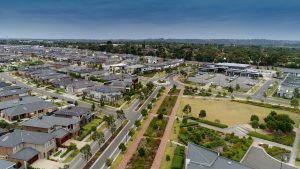
As we buttoned up our overcoats and embraced the cooler autumn days, Melbourne’s real estate market remained red hot, with the highest number of homes selling by way of auction this quarter.
New REIV data shows more than 9,160 homes sold at auction from 1 March to 31 May a 7.6% increase on the previous record set in autumn 2015 when 8,517 homes sold. Melbourne’s top performing auction suburbs this autumn were predominantly located in the city’s north, with the east experiencing significant growth overall.
According to SQM Research, house prices in Melbourne’s inner east have risen by 27 per cent in the last 12 months, as people search for affordable housing.
Some of the east’s top performing suburbs include: Forest Hill, Doncaster, Doncaster East, Ringwood East, Blackburn North and Blackburn South all experiencing around 12-13% growth. Unit hot spots included: Nunawading, Box Hill North, Box Hill South, Ringwood North and Ringwood East – all experiencing between 9-10% price growth.
A healthy increase in rental yields was also recorded across the east, with popular suburbs for housing including: Bayswater, Wantirna, Ringwood and Heathmont. With a high demand for rental units in areas such as Box Hill, Hawthorn and Doncaster.
A tip for those wanting to invest in the eastern suburbs rather than hunting for bargains, look for nice, tree-lined locations close to quality schools and shops as areas such as these will always be in high demand.
Changes to Stamp Duty
From 1 July 2017, investors will no longer be eligible for stamp duty concessions for new property. Off the plan stamp duty concessions will only be available for people who intend to live in the property.
In Victoria, stamp duty is split into two parts: The land component and the construction component.
Completed properties require the full stamp duty to be paid on both the land and construction component, however, if you purchase a property off the plan and it has yet to commence, then you only have to pay stamp duty on the land component. For off the plan properties that have begun construction, then stamp duty is paid on the land component; tiered depending on how far along construction is.
Other stamp duty changes include:
- First home buyers to pay no stamp duty on properties valued under $600,000;
- Discounts on a sliding scale for first home buyer purchases between $600,000 – $750,000;
- Property transfers between spouses and de facto partners will no longer be exempt from stamp duty. Exemptions for their principal place of residence and for transfers following a relationship breakdown will remain in place.
Million Dollar Melbourne: City’s Premium Market Expands
The number of million dollar suburbs in Melbourne has quadrupled in the past five years, new data from the REIV shows.
In the first three months of the year, 120 Melbourne suburbs recorded a median house price of at least $1 million or higher up from just 30 suburbs in March 2012.
Melbourne’s middle ring has been the main driver of this growth, with the number of million dollar suburbs climbing from eight in March 2012 to 53 this year – an increase of 563%.
REIV President Joseph Walton said middle Melbourne was home to more million dollar suburbs than the inner city for the first time ever in the March quarter.
Traditionally the premium end of the market has been confined to Melbourne’s inner suburbs; however the bridesmaid effect has really driven price growth within 20km of the city, he said.
Around 90% of all suburbs within 10km of the city now have a median house price of $1 million or higher, with these areas amongst the most sought after by buyers, Mr Walton said.
Finance Spotlight
The Reserve Bank of Australia held the cash rate steady at a record low of 1.5% during their meeting held on June 6th. Interest Rates in Australia averaged 4.72% from 1990 until 2017, reaching an all-time high of 17.5% percent in January of 1990 and a record low of 1.5% in August of 2016.
Source: reiv.com.au, tradingeconomics.com and ibuynew.com.au.