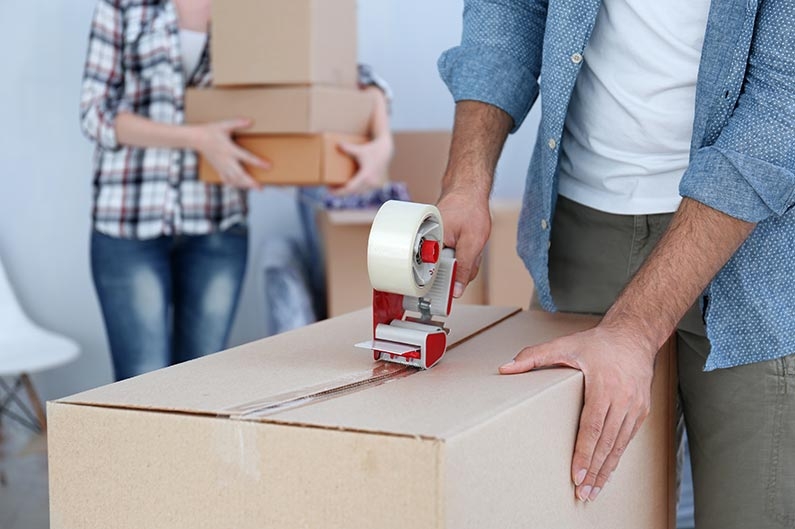
If you need to utilise a storage space in between moves or because your home is being professionally staged, it’s important you learn the tips and tricks of how to safely pack your precious belongings.
The experts at Kents Storage share what you need to know about packing for storage. You can also download a handy Storage Checklist for additional tips and tricks.
Take an Inventory
Before you begin, get a clear understanding of the items you need to pack. Make a detailed list to help you determine the type and size of storage facility you’ll need, as well as any equipment required for safe and secure storage.
Storage Equipment
If you have the right packing materials on hand, packing your items will be easier and you’ll end up with fewer breakages or lost items. If you’re using a quality storage provider, they will likely sell all the packing materials you’ll need. Make sure you stock up with the following items:
- Sturdy cardboard boxes
- Bubble wrap or professional plastic wrapping
- Duct tape
- Snap lock bags
- Marking pens
- White paper sheets (such as butcher’s paper)
There are alternatives that can be used in place of cardboard boxes such as plastic storage containers, however, cardboard storage boxes will provide the protection you need at an affordable price.
How to Pack for Storage
Once your itinerary and packing materials are ready to go, it’s time to start packing. Keep in mind the following:
- When packing cardboard boxes, keep the weight to below 20kg per box. This will ensure safe loading and travel in transit
- Pack evenly, with heavier items below lighter ones
- Minimise any large gaps. This will reduce the possibility of damage during transport, as there will be no space for items to crash around. It will also prevent your box from collapsing during storage. You can use bubble wrap, clothing, or other pieces of fabric to fill the gaps.
- Avoid using newspaper to fill any air pockets, as newspaper tends to leave black stains and marks on items, particularly if you’re storing long-term.
- Place small items like screws from furniture you’ve disassembled into labelled snap-lock bags. This will ensure they don’t get lost and you’ll know what they’re for when it comes time to reassemble.
- Securely fastened all boxes by using packing tape on all box openings.
- Make sure all your boxes close easily and properly. Never place a box in storage that doesn’t close, or has items sticking out the top.
- Never pack or leave items inside furniture i.e clothes inside cupboards or drawers. Items left inside other items will not be adequately protected during the move and can result in items being more difficult to lift because of weight and instability.
Label Everything
After you pack each box, make sure you fix a label to the outside. You can use a marker too so when it comes time to unpack you can easily locate the items you need.