Buying your first home is one of the most exciting things you’ll do in life. It’s right up there with marriage and having children on the major milestones scale.
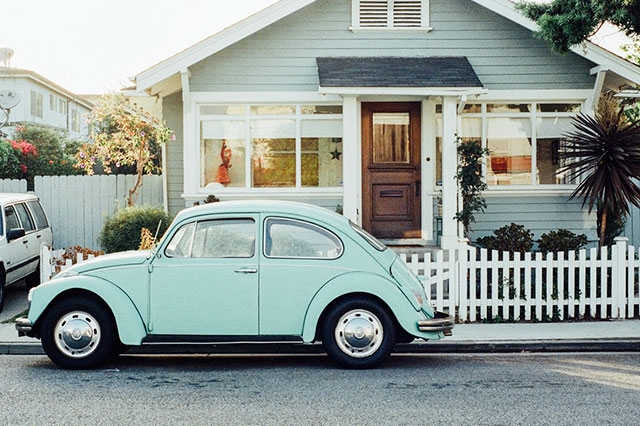
In the past, young couples would typically buy a house that may have seen better days, located in an area they could afford. They’d spend the following few years doing it up or putting their own stamp on it until they could afford something better.
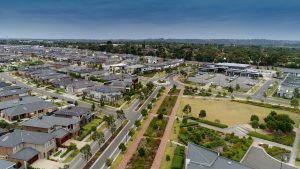
Things have changed and in many of the outer eastern suburbs, older homes are being replaced by modern apartments, townhouses and units, giving young buyers a wider range of choice when it comes to purchasing their first home. And it’s not just couples who are purchasing their first home, there is a rise in the number of singles securing their place in the property market as well.
Deciding on which type of property is right will depend on the person/couple, their circumstances, where they want to live and what their plans for the future are. Each type of property has their pros and cons as you can see by our comparison below.
Apartment, Townhouse, Unit
- usually cheaper to buy; you might be able to afford an apartment in a suburb where the house prices are out of your reach
- if you’re prepared to buy off the plan you could save money
- often easier to maintain – ie less garden or outdoor space to upkeep
- renovation costs may be less because there is less to renovate
- typically located in areas that are close to shops and public transport
- may come with communal amenities such as a pool, gym, entertaining area, laundry
- might be limitations as to what you can do due to body corporate rules ie renovations
- noise could be a factor when living in close proximity to others
- capital growth of the property might be slow because you’re surrounded by similar properties
- may have to pay body corporate fees.
House
- you will typically get more for your money, especially if you don’t mind being in the outer suburbs
- can extend or add to the dwelling if you want to (subject to council approval)
- room to grow should you add to your family eg children, ageing parents
- likely to have more outdoor space to enjoy: alfresco area, shed, garage, pool, pizza oven, keep chickens or pets
- you’ll enjoy more privacy and less neighbourhood noise (usually but not always)
- more to maintain ie. cleaning, painting, gardening, repairing
- likely to enjoy higher capital gains growth.